
Right now, a huge 46% of children living in poverty are in migrant families. Institute for Public Policy Research (IPPR) estimates that children in families with migrant parents account for more than a third of the total number of children living in relative poverty.
At Praxis, we know from our frontline services that hostile immigration rules and policies push families into poverty and traps them there. Policies like No Recourse to Public Funds, a rule that locks hundreds of thousands of families experiencing poverty from vital state support. Or eye-wateringly high visa fees and charges, which add hundreds of pounds to families monthly essential costs. Or long and complicated pathways to settlement filled with pitfalls.
That’s why for the last two years we’ve been advocating for this Government to include migrant children in their child poverty strategy. We joined forces with campaigners working on children’s rights, poverty reduction, child development and migrant rights to put pressure on Ministers and officials to make sure that this is truly a strategy for every child living in the UK. Here’s what we did:
Policy development
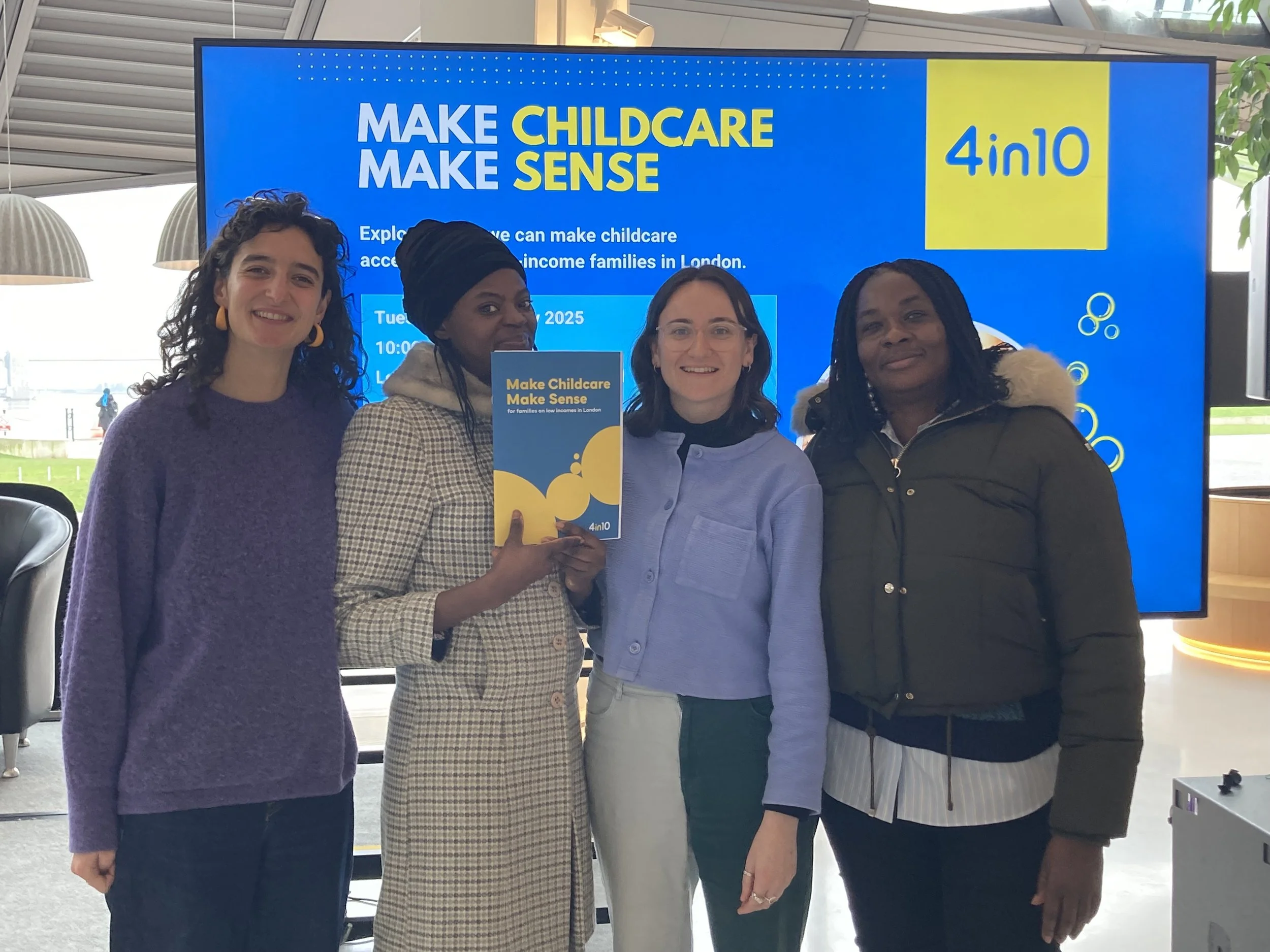
In early 2025 we led the development of a set of options for the Child Poverty Unit in the Cabinet Office, commissioned by the No Recourse to Public Funds (NRPF) Partnership, which set out an analysis of policy levers available to government departments and estimated the potential impact of each upon children in poverty. Learn more in our briefing.
We also led a face to face meeting with civil servants, convening people with lived experience, academics and frontline organisations to share their perspectives directly with officials.
Engaging with MPs
We’ve worked with MPs from across the political spectrum who care about child poverty to press the Government to consider the unique position of this group of children who often grow up without the protection of our welfare safety net. MPs have tabled questions, signed motions and written to ministers to raise their concerns.
We also worked with Olivia Blake MP on a Westminster Hall Debate in June 2025 about NRPF and child poverty.
Public campaigning
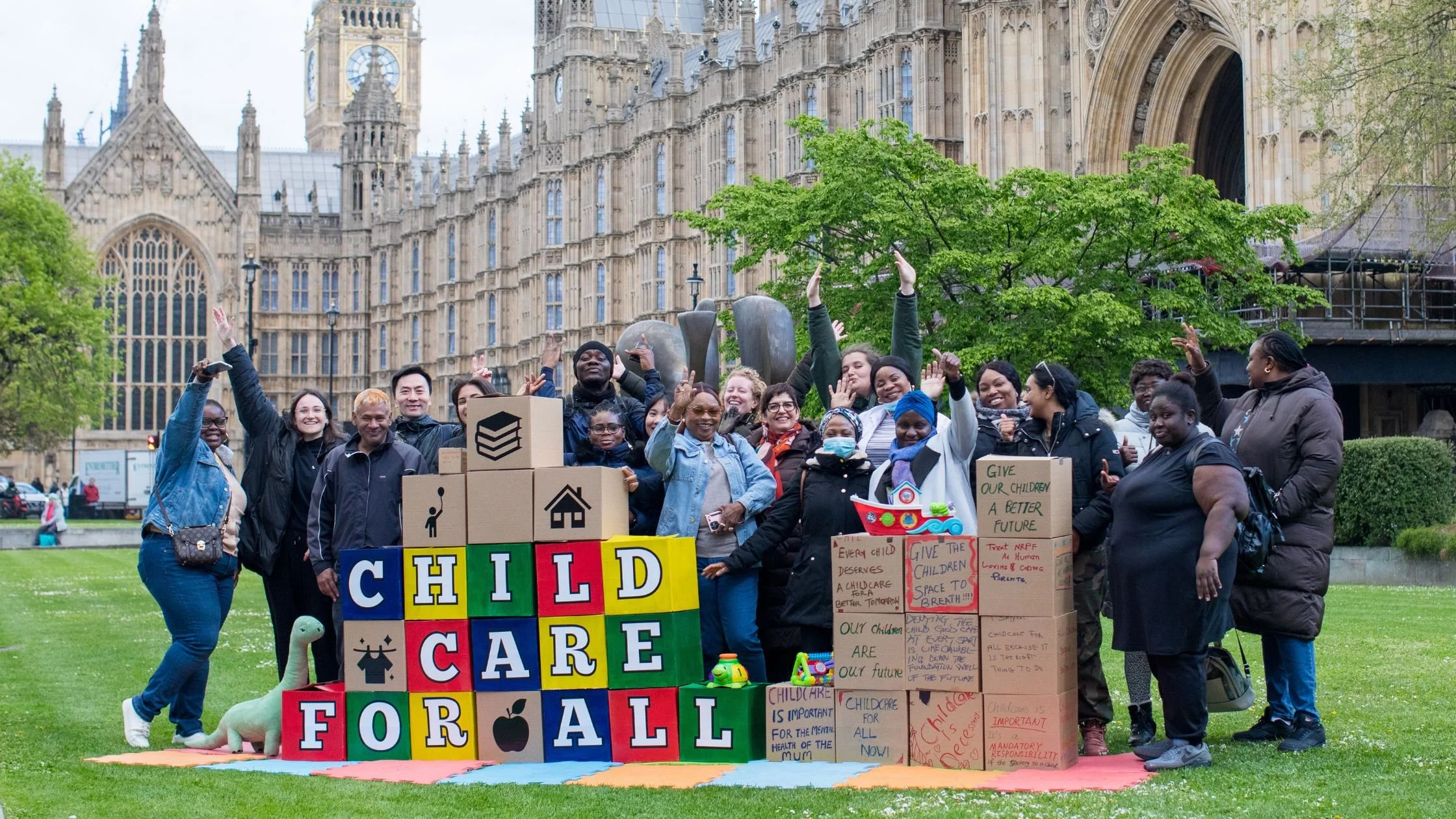
As well as policy and advocacy work, we also campaign publicly for change with a group of campaigners with lived experience of the immigration system.
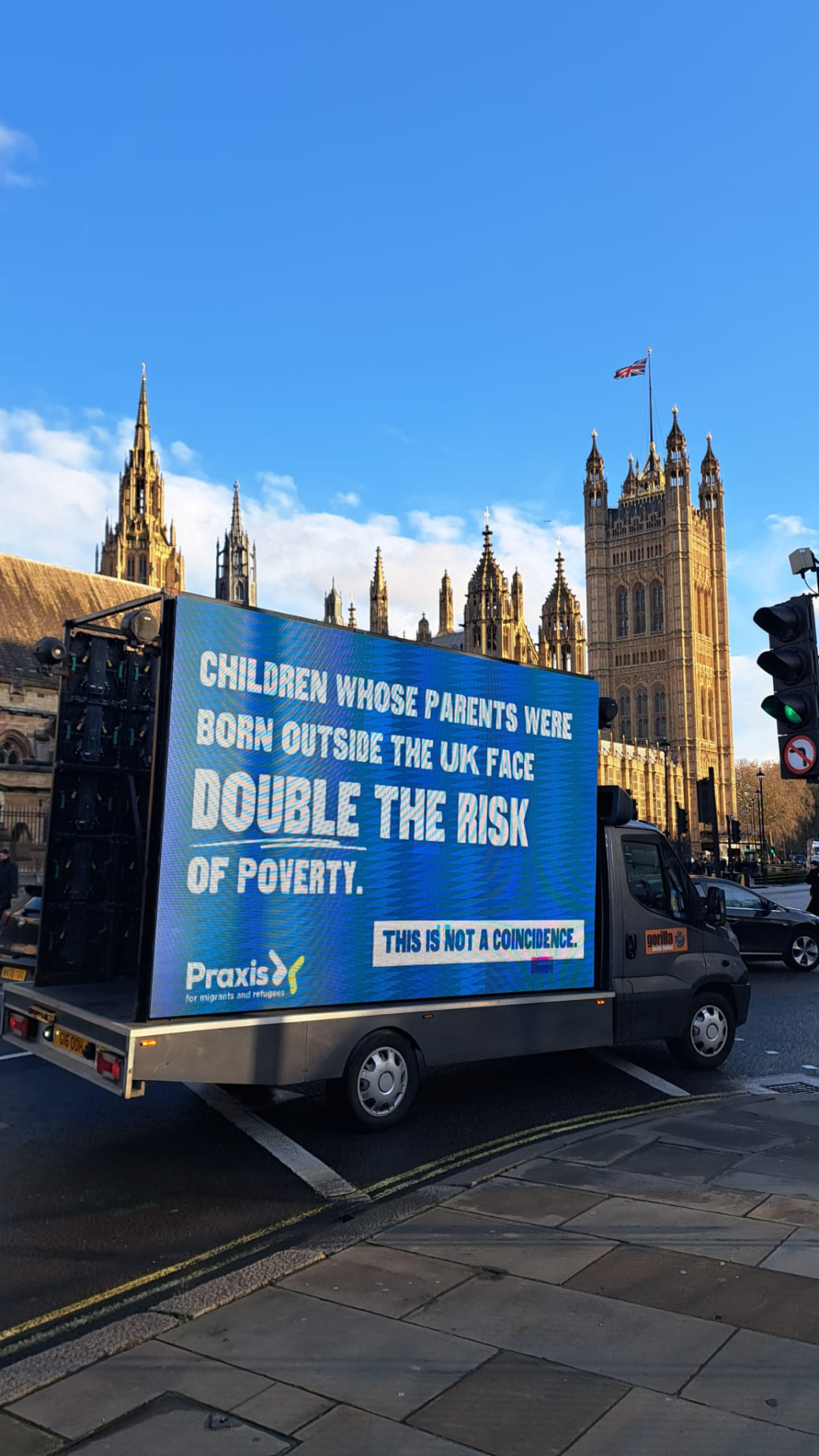
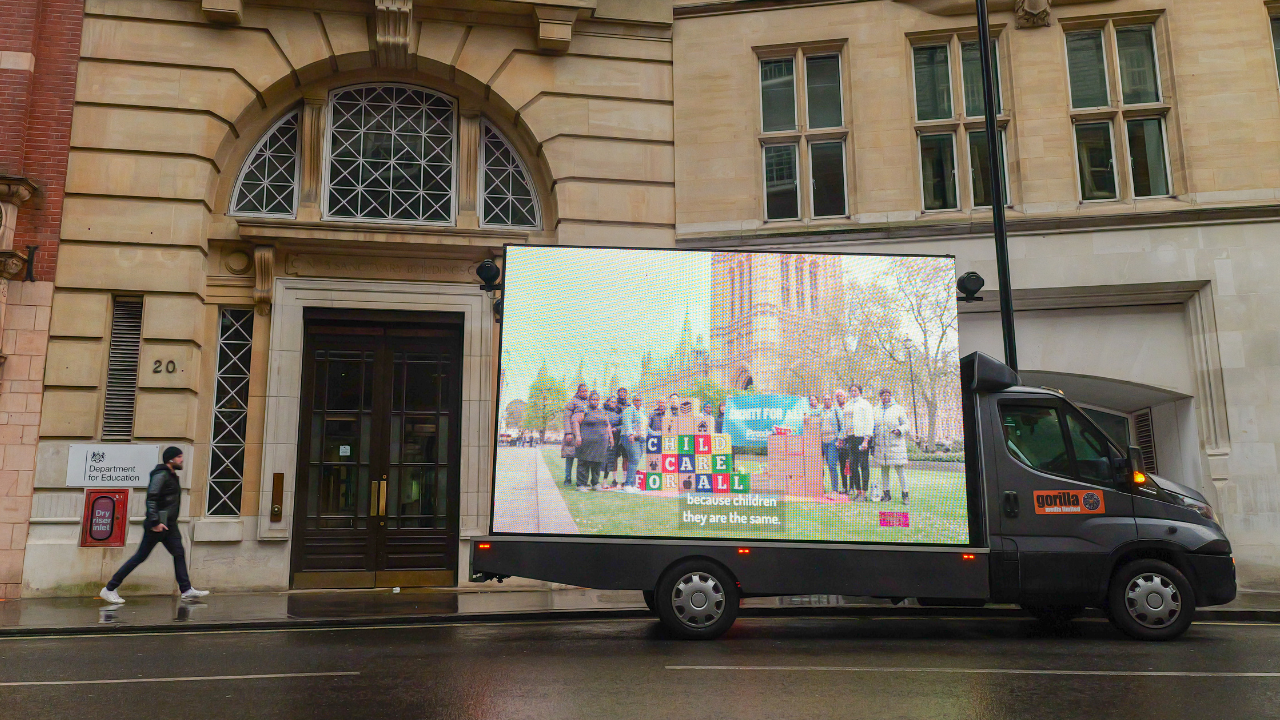
In February 2025, with a van and a loud speaker, we screened a video from migrant parents in front of the Home Office, Department for Education, and the Department for Work and Pensions – the Departments with the power to make change for migrant children living in poverty. Hundreds of people sent emails to the Ministers responsible for the child poverty strategy as well as to their MPs to attend the Westminster Hall debate in June. We secured media coverage in the iNews, The Big Issue, The National Scot, Byline Times, LBC news radio.
Working with Local Councillors
We supported on open letter from local councillors to government on the importance of including meaningful action to address poverty amongst migrant families in the child poverty strategy, underlining the impact on local government.
Local authorities across the UK spent around £65 million in 2021/22 on supporting vulnerable people with NRPF, including providing support to an estimated 5,400 families and 10,500 children. Councillors urged the Government to put forward “concreate measures” for migrant children and to consider to “impact of the NRPF policy”.
This letter was sent to the Minister for Local Government and Homelessness in November 2025.
What does the child poverty strategy do for migrant children?
When the Government finally released their long-awaited child poverty strategy in December 2025, we were relieved to see a section relating to children with NRPF, and some recognition of the challenges children in this group face. This was very welcome.
However, crucially, the strategy doesn’t commit to any action that would materially reduce poverty for migrant children. It does not mention children in the asylum system, those who are British citizens, but whose parents are not or those without regular immigration status.
This lack of ambition is particularly concerning in light of recent proposed changes to the immigration and asylum systems that are likely to increase the scale and depth of poverty.
What we’re doing now?
Most recently, Josephine Whitaker-Yilmaz, Head of Advocacy at Praxis gave oral evidence in the session ‘Realising potential: delivering the child poverty strategy’. She made it clear that the Government’s strategy cannot succeed without meaningful action for migrant children – and that this is more urgent than ever given the Government’s proposed immigration reforms.
We’ve been at the forefront advocating against the earned settlement proposals. We know these reforms are very likely to drive up levels of child poverty amongst migrant families, because they target lower income families, punish those who have needed to access support and increase the cost of settling in the UK by making settlement routes even longer. We developed a briefing for MPs with Greater Manchester Immigration Aid Unit (GMIAU) on the earned settlement proposals and the impact on poverty and homelessness.
New independent analysis commissioned by the NRPF Partnership estimated that the Home Office’s proposed ‘earned settlement’ rules could prolong poverty for up to 90,000 children of migrant workers by 2029. This analysis was used by Labour rebels to oppose the plans, referencing the Government’s commitments to reducing child poverty.
We joined over 140 children charities and organisations working with children to warn that the new asylum and immigration reforms represent a “sustained attack on children’s rights” in a letter to the Prime Minister.
We’ve mobilised the public to send in thousands of emails to MPs and organised with groups across the UK to take part in a mass lobby in Parliament in March 2026, where one of our central messages to MPs was that these changes are at odds with the Government’s child poverty strategy.
The Government has been forced to pause the implementation until the Autumn due to intense public pressure. The groundwork we did on the child poverty strategy, while did not lead to concrete policy change yet, was key in securing widespread MP opposition to the earned settlement proposals.
9th July 2026